


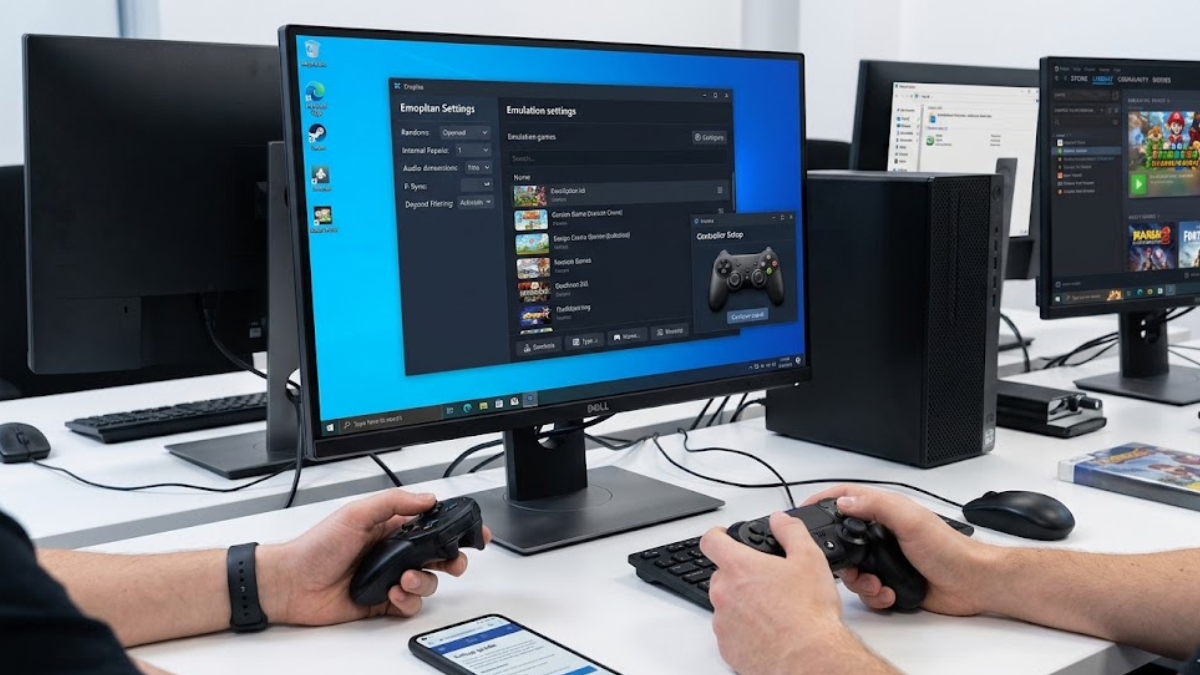
If you’re trying to understand how to create the perfect set up for pblemulator, you’re in the right place. Whether you’re new to emulation tools or already have some experience, getting the setup right can make a massive difference in performance, usability, and overall experience.
The idea behind a proper set up for pblemulator is simple. You want a smooth, stable, and optimized environment where everything runs without lag or crashes. But in practice, many users struggle with configuration, compatibility, and performance tuning.
This guide breaks everything down in a clear, practical way. By the end, you’ll know exactly how to build an efficient set up for pblemulator that works reliably on your system.
Initial Set Up for Pblemulator Configuration and Performance Settings
After installation, the first launch is where most of the important setup happens. This is where you define how the emulator behaves.
Start with the basic settings like language, display mode, and file directories. Make sure your ROMs or files are stored in an organized folder structure. This makes managing them much easier later.
Graphics settings are especially important. If your system is powerful, you can increase resolution and enable enhancements. For lower-end systems, stick to default or low settings to maintain stability.
A balanced configuration is key. The goal of a proper set up for pblemulator is not maximum visuals, but stable performance.
Understanding What Pblemulator Is
Before diving into the setup, it’s important to understand what pblemulator actually does. In simple terms, it’s a software environment that mimics another system or platform, allowing you to run programs or games that wouldn’t normally work on your device.
A proper set up for pblemulator ensures that the software behaves as close as possible to the original system. That means better performance, fewer bugs, and a more authentic experience overall.
Many users make the mistake of skipping the basics. They install the software and expect it to work instantly. But without proper configuration, even the best emulator won’t perform well.
System Requirements for a Smooth Setup
One of the most overlooked parts of any set up for pblemulator is system compatibility. If your hardware isn’t up to the task, you’ll face lag, crashes, or poor performance.
Here’s a simple table to help you understand the basic requirements:
| Component | Minimum Requirement | Recommended Requirement |
|---|---|---|
| CPU | Dual-Core | Quad-Core or higher |
| RAM | 4 GB | 8 GB or more |
| Storage | 10 GB free | SSD with 20 GB+ |
| Graphics | Integrated GPU | Dedicated GPU |
| OS | Windows 10 / Linux | Latest OS version |
A well-prepared system makes your set up for pblemulator much easier. If possible, always aim for the recommended specs rather than the minimum.
Another important factor is storage speed. Using an SSD instead of a traditional hard drive can significantly improve loading times and responsiveness.
Downloading and Installing Pblemulator
The installation process is straightforward, but doing it correctly matters. Start by downloading the latest version from a reliable source. Avoid outdated or modified versions, as they can cause issues later.
Once downloaded, install the software following the on-screen instructions. Keep everything simple during installation. Avoid changing default directories unless you know what you’re doing.
After installation, don’t rush to run it immediately. A proper set up for pblemulator involves a few additional steps that ensure everything runs smoothly from the start.
Optimizing Performance for Better Results
Performance tuning is where your setup really starts to shine. Even a decent system can struggle if settings are not optimized.
Start by adjusting CPU and GPU allocation. Many emulators allow you to assign cores or threads. Use this feature carefully, as over-allocation can cause instability.
Lowering resolution or disabling unnecessary effects can drastically improve performance. Small changes often have a big impact.
“A smooth experience always beats a visually perfect but laggy one.”
Also, make sure no heavy background applications are running. This frees up system resources and improves your set up for pblemulator.
Configuring Controls and Input Devices
Controls are a big part of the experience. Whether you’re using a keyboard or a controller, proper mapping is essential.
Most emulators allow custom key bindings. Take a few minutes to map controls in a way that feels natural. This makes a huge difference in usability.
If you’re using a controller, ensure drivers are installed correctly. Test all buttons before starting actual use.
A thoughtful set up for pblemulator includes control optimization, not just technical settings.
Managing Files and ROM Organization
A messy file structure can quickly turn into a headache. Keeping everything organized saves time and prevents errors.
Create separate folders for different types of files. For example:
- ROMs
- Save files
- Configurations
This makes it easier to locate files and back them up if needed.
Good organization is often overlooked, but it’s a key part of an efficient set up for pblemulator.
Common Issues and How to Fix Them
Even with a proper setup, issues can still happen. The key is knowing how to fix them quickly.
Lag is one of the most common problems. This is usually caused by high settings or insufficient hardware. Lowering graphics settings often solves the issue.
Crashes can happen due to incompatible files or outdated versions. Always keep your software updated.
Audio glitches are another common issue. Adjusting sound settings or switching audio drivers can help.
A reliable set up for pblemulator includes understanding how to troubleshoot these problems effectively.
Advanced Tips for Power Users
If you want to go beyond the basics, there are several advanced tweaks you can explore.
Custom shaders can improve visuals significantly, but they require a powerful system. Use them carefully.
Overclocking your CPU or GPU can also enhance performance, but it comes with risks. Only attempt this if you understand what you’re doing.
You can also experiment with plugins or add-ons. These can extend functionality and improve your set up for pblemulator even further.
Security and Safe Usage
Security is often ignored, but it’s important. Only download files from trusted sources. Avoid suspicious links or unknown websites.
Keeping your system updated also helps prevent vulnerabilities.
A secure set up for pblemulator ensures not just performance, but also safety.
Benefits of a Proper Setup
Taking the time to create a proper setup has clear advantages. You get better performance, fewer crashes, and a smoother experience overall.
It also saves time in the long run. Instead of constantly fixing issues, you can focus on using the emulator.
A well-built set up for pblemulator turns a frustrating experience into an enjoyable one.
Conclusion
Getting the perfect set up for pblemulator isn’t complicated, but it does require attention to detail. From choosing the right system to optimizing performance and organizing files, each step plays a role.
The biggest mistake people make is rushing the process. Taking a little extra time in the beginning can save hours of frustration later.
Focus on balance rather than extremes. A stable and smooth setup will always outperform one that tries to push limits unnecessarily.
Once everything is configured properly, your set up for pblemulator will deliver a reliable and enjoyable experience every time.
Frequently Asked Questions
What is the best way to start a set up for pblemulator?
The best approach is to begin with system compatibility. Make sure your hardware meets at least the recommended requirements, then follow a clean installation and proper configuration process.
Why is my set up for pblemulator running slow?
Slow performance is usually caused by high graphics settings or limited system resources. Lowering resolution and closing background apps often improves speed.
Can I use a controller in my set up for pblemulator?
Yes, most emulators support controllers. You just need to configure the controls properly and ensure the device drivers are installed.
How do I improve graphics in my set up for pblemulator?
You can increase resolution, enable enhancements, or use shaders. However, make sure your system can handle these changes without causing lag.
Is it safe to download files for my set up for pblemulator?
It can be safe if you use trusted sources. Avoid unknown websites and always scan files before using them.
